
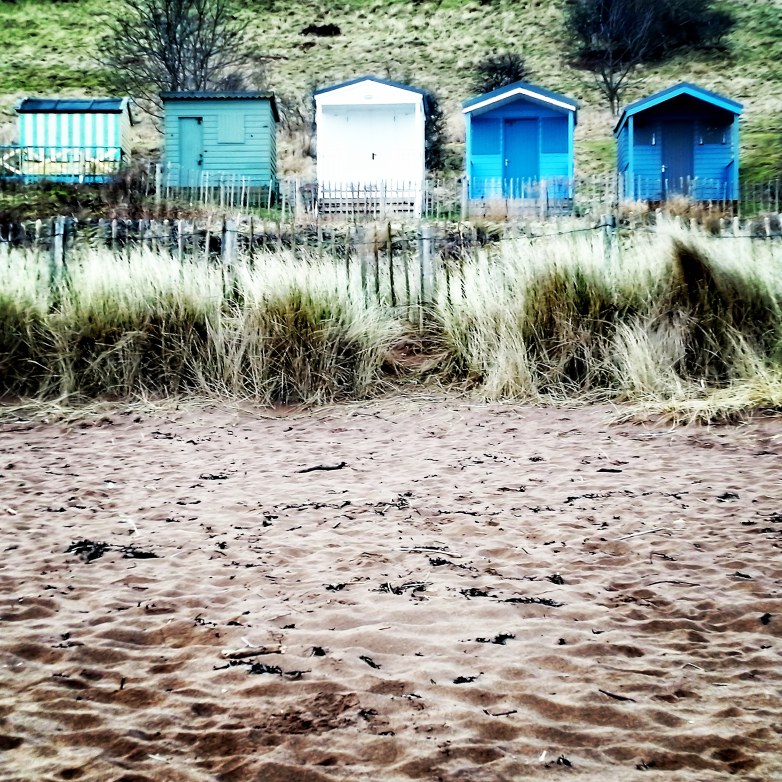
Being close to the sea always made me feel like things were in perspective. That there were edges to things, that I was small in this big world. The desire to own a beach hut and spend time making things, collecting shells, eating sandy sandwiches, felt like a far-off Narnia that other childhoods had, and I coveted. Under desks, between the sheds in my grandparent’s garden, in between the tented sheets on the washing line- magical spaces made real. Made for dreaming and making totems, writing stories and drawing pictures in.
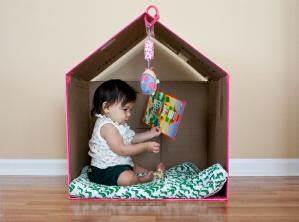
At times when I’ve needed to think, or paint or escape the noise, there has been the sanctuary of the Art shed. My little Beach Hut’s have provided respite; calm, a place to be me, a place to create. The idea that this could be helpful for others, grew from the knowledge of how special it felt to have an inspiring space of one’s own.

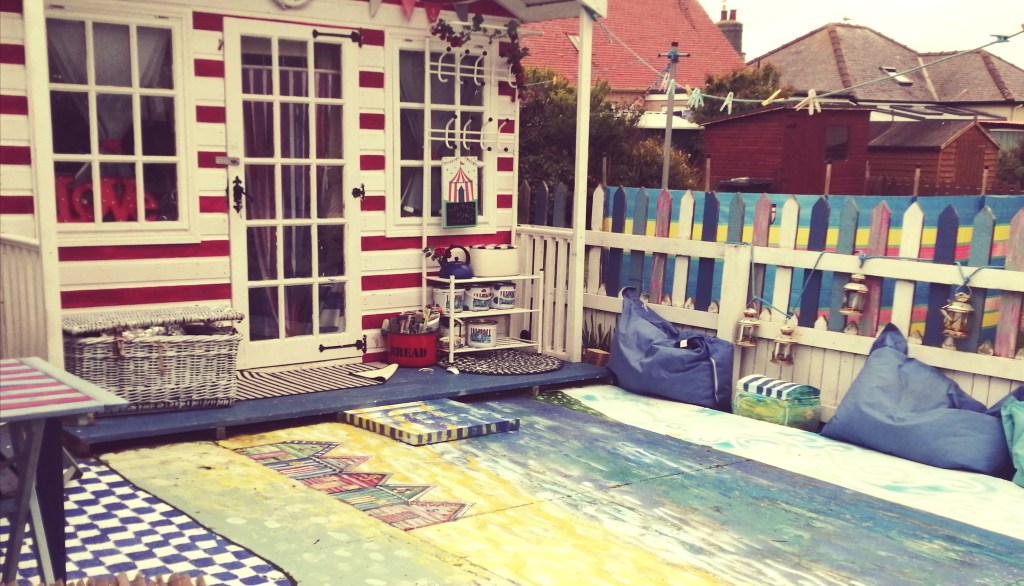
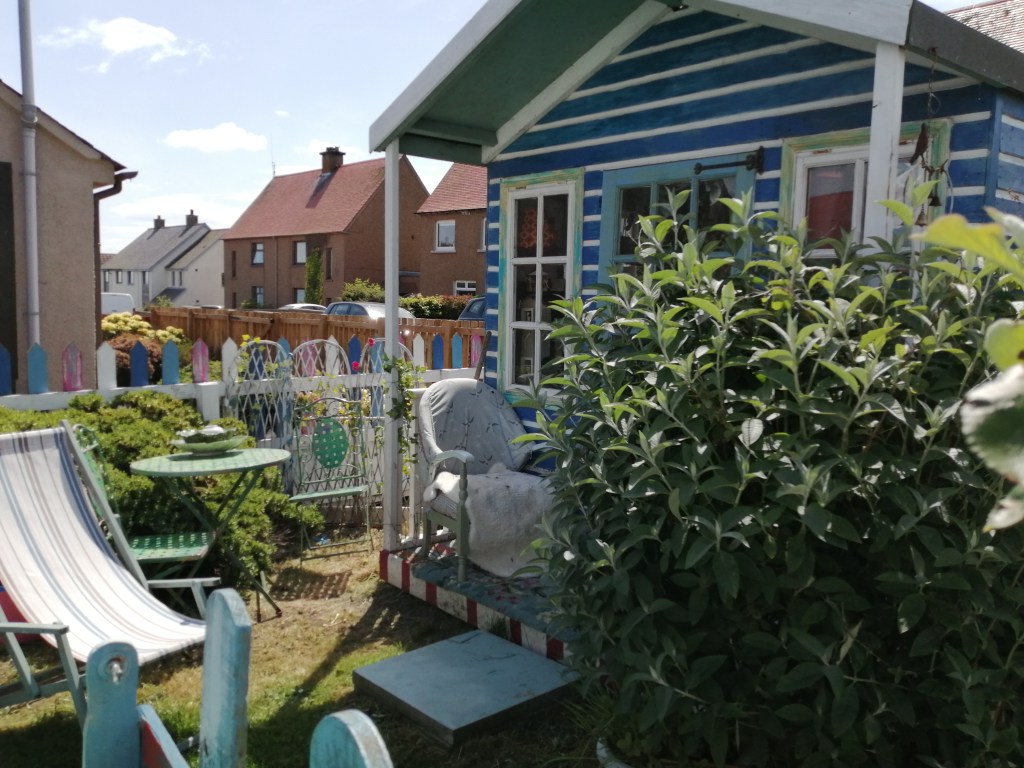
So, in every garden we have ever had, I’ve created a beach hut to teach in. And sometimes more than one! All with the aim to provide a space for creativity, with a relaxed and positive atmosphere for everyone, regardless of experience, mobility or ability. These huts became hubs to work and teach in, store materials, plan ideas and bring new ideas alive in.
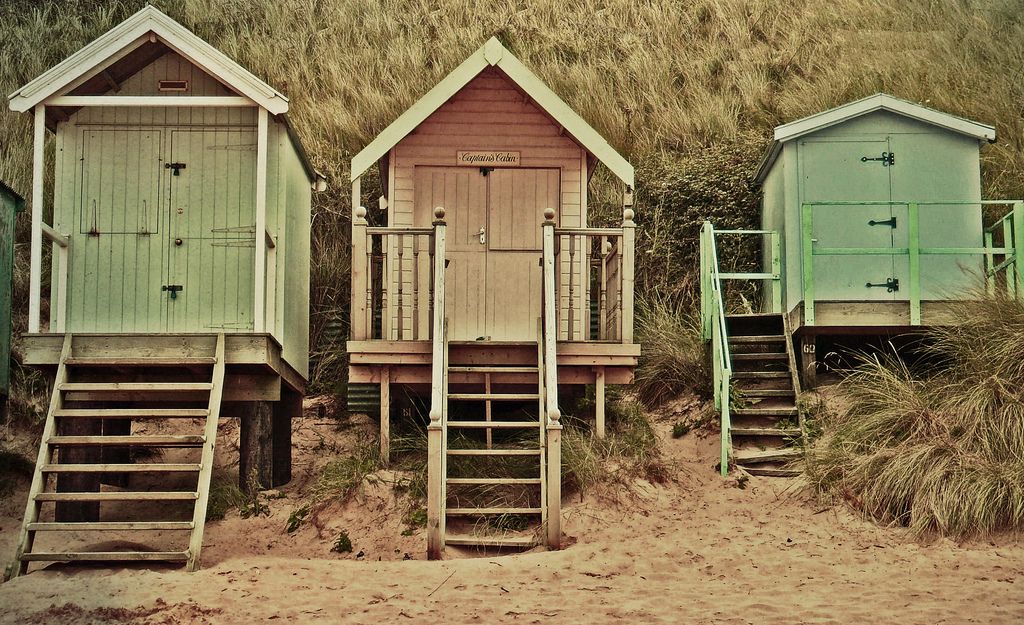
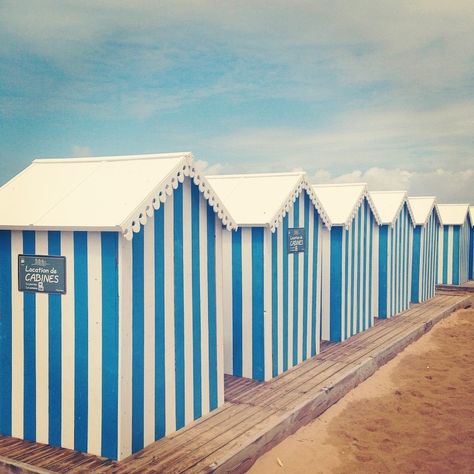
A History of the Beach Hut
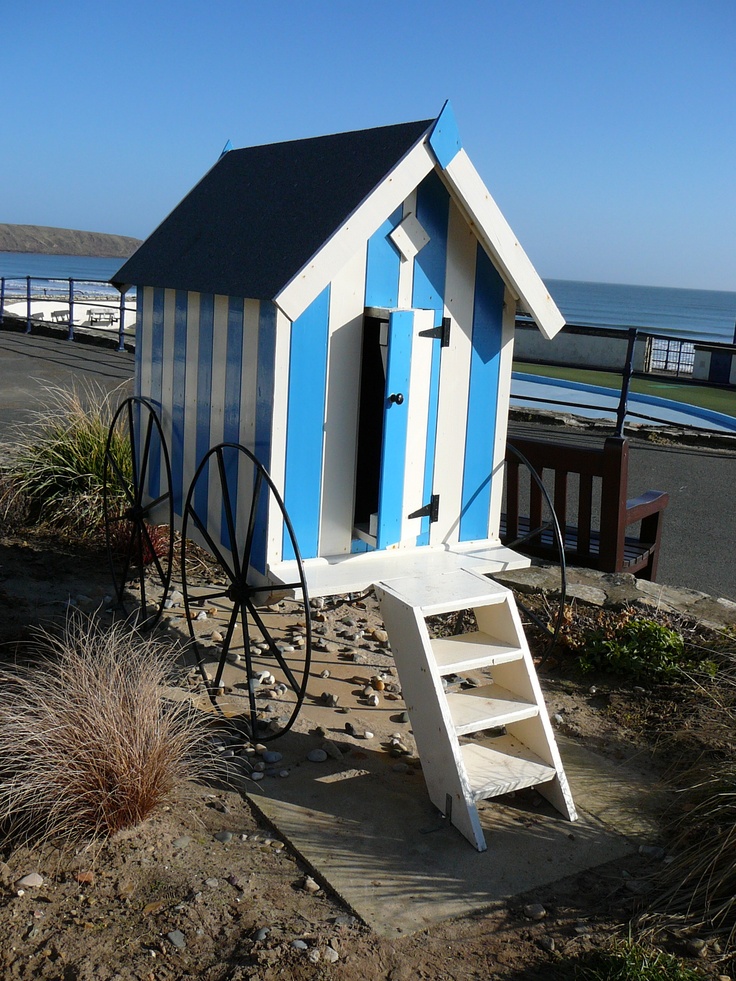
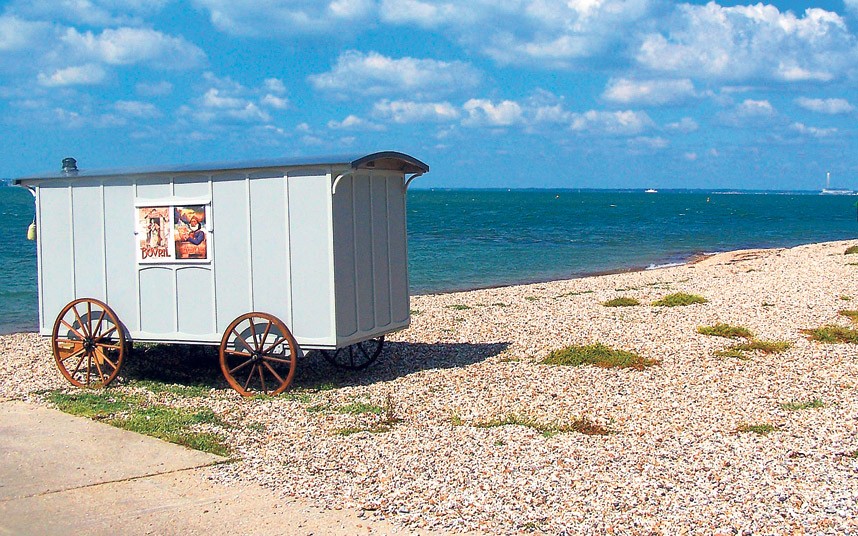
Beach huts may look pretty humble but their story is closely bound up with the history of the seaside resort, going back more than 250 years. In the nineteenth century no trip to the seaside was complete without a dip in the sea from a bathing machine. These vehicles looked like beach huts on wheels and they could be hired for half hour periods. Patrons would get in at the top of the beach, change out of their normal clothes as a horse pulled them towards the seas, then step directly into the water from the front of the machine. For more than 150 years this was how most bathers experienced the sea. Queen Victoria even had her own personal bathing machine built at Osbourne on the Isle of Wight.
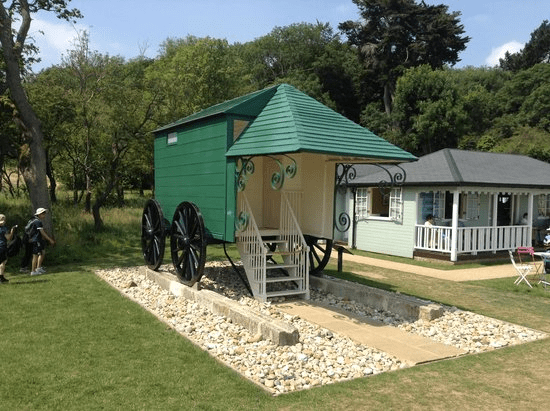
But bathing machines were not invented by the Victorians. By the time Victoria came to the throne in 1837, bathing machines had already become an established feature of any would-be seaside resort. A whole century earlier, mobile changing rooms were in use at Scarborough, the world’s first seaside resort located on the east Yorkshire coast. These simple vehicles, designed for the use of the wealthy but infirm, were evidence of a radical new fascination with the sea. Before this, no one but fishermen and smugglers used the beach. Then doctors began to prescribe the cold sea bath as the latest ‘cure-all’ remedy, the sick went to the coast to be treated and took their families with them. These people needed accommodation and entertainments so the modern concept of the seaside was born.
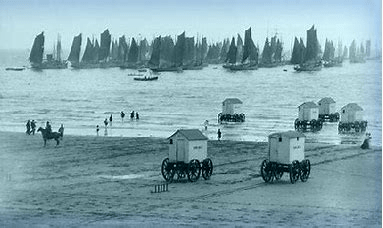
It wasn’t long after this that the bathing ‘machine’ was invented to offer greater privacy to those taking a therapeutic dip. In its original form this horse drawn carriage featured an enclosed room with a collapsible hood at the seaward end to shield patients as they were submitted naked to the waves by burly attendants called dippers. In 1789 George III gave royal approval to the new fashion when he took a medicinal bath at Weymouth to the musical accompaniment of ‘God Save the King.’
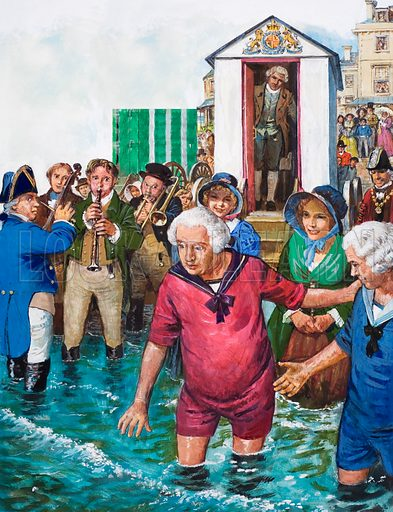
The rules designed to keep male bathing machines at a set distance from female bathing machines were probably only in force for about 30 years, less in some places, and they were routinely flouted. By the 1890s the call for mixed bathing was getting stronger, not least because this was the norm in northern European as well as American resorts. As it became more acceptable for people to walk across the beach in their bathing costumes, villages of stripy changing tents were erected on the Edwardian sands. Around the same time some of the bathing machines began to lose their wheels and other, purpose-built, day huts began to appear.
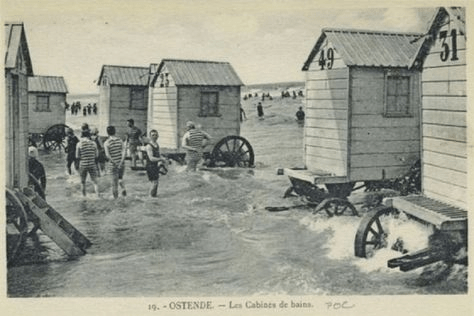
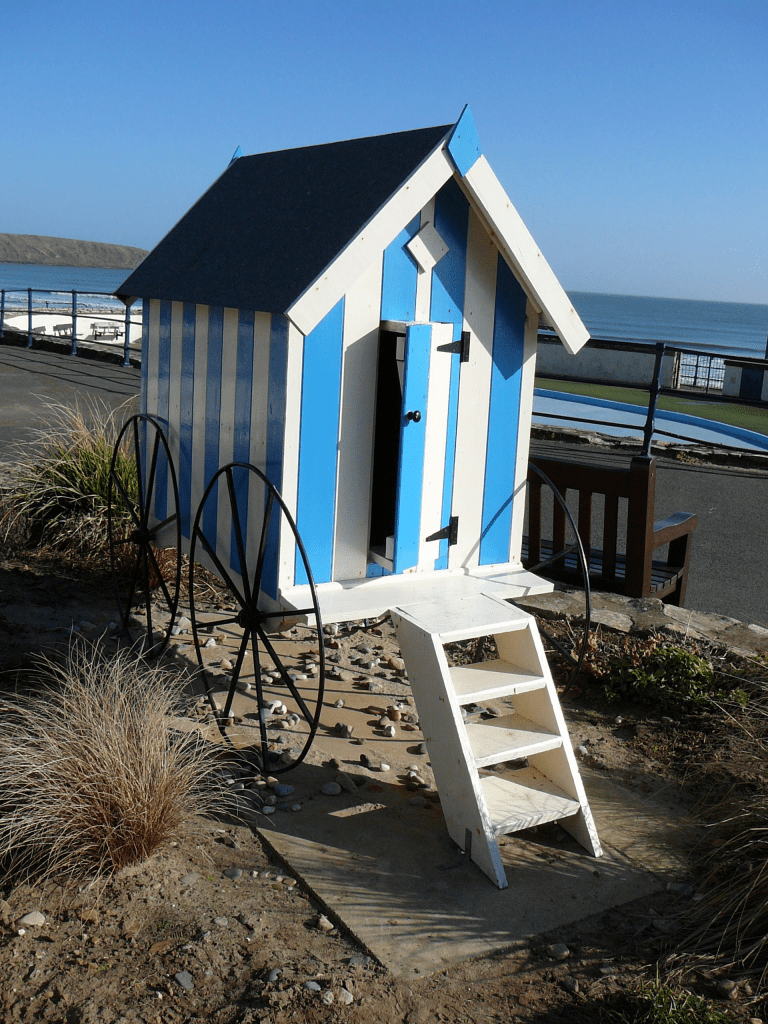
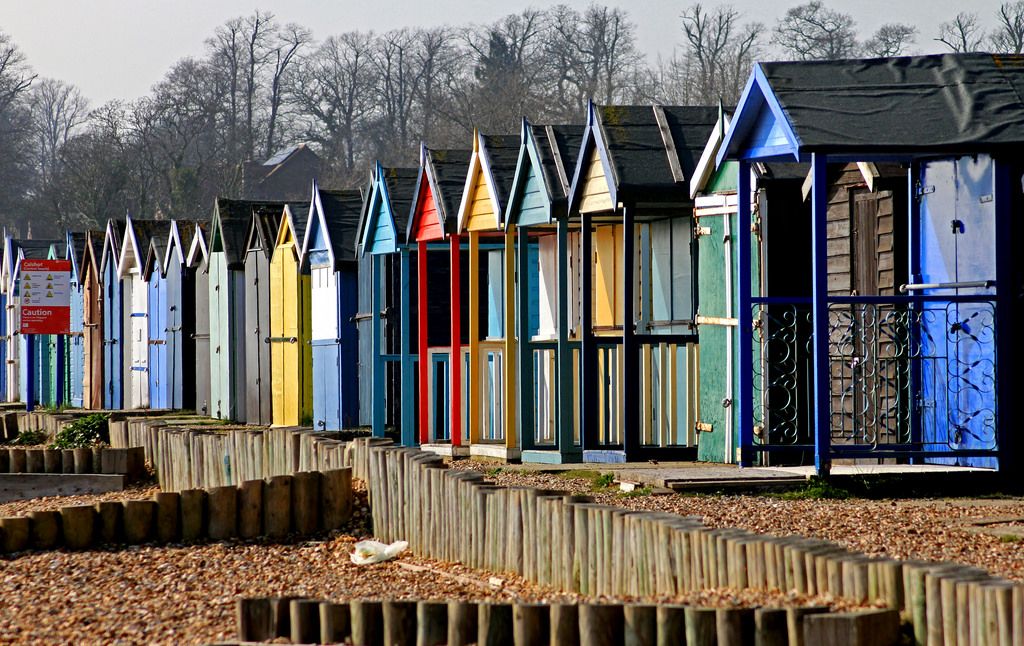
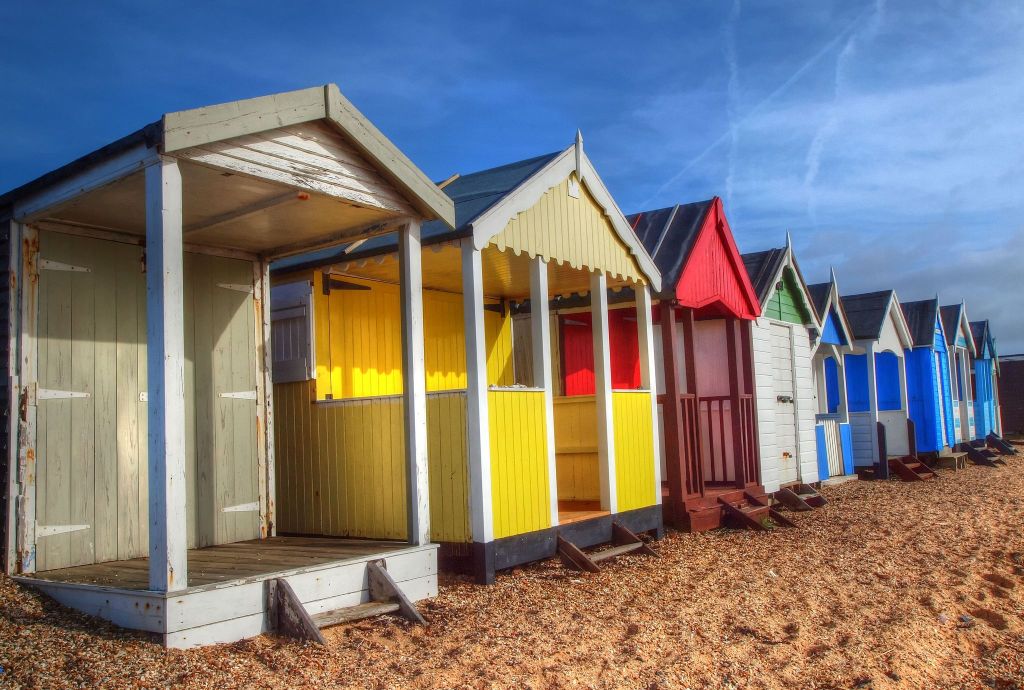
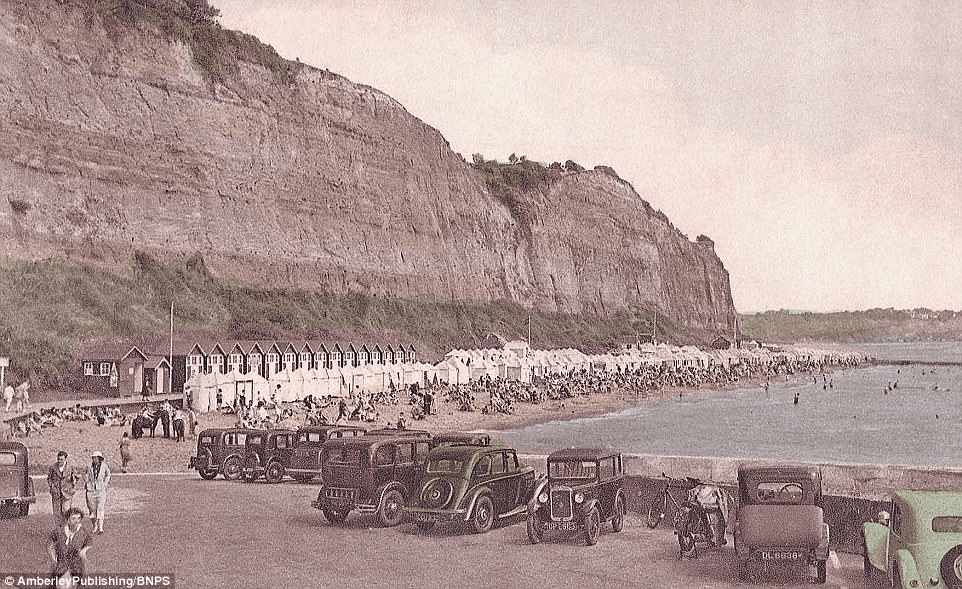
In the inter-War period sunbathing was the new fashion and bathing machines, though still lingering on, were outdated and antiquated. New modern-looking blocks of beach huts or chalets were built near to huge lidos and everywhere had to have a sun terrace.

The last of the bathing machines disappeared with the Second World War and when the beaches had been cleared of barbed wire at the end of hostilities, the holiday makers came back in their millions. The 1950s was the heyday of the beach hut but dedicated fans have been keeping up their huts ever since and today there’s a clear resurgence with spiralling prices and much media interest.
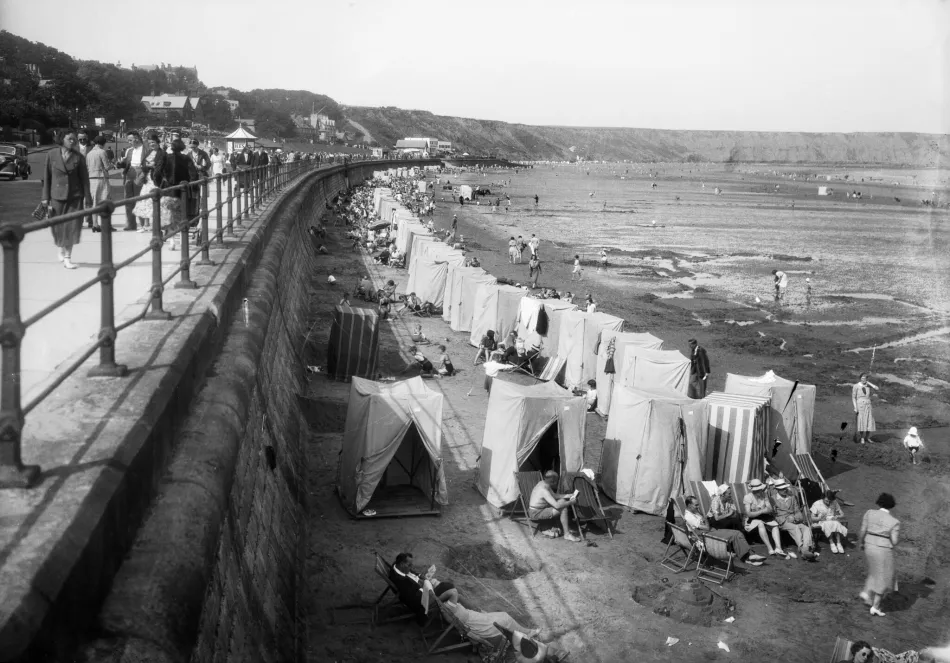
A Room with a view!
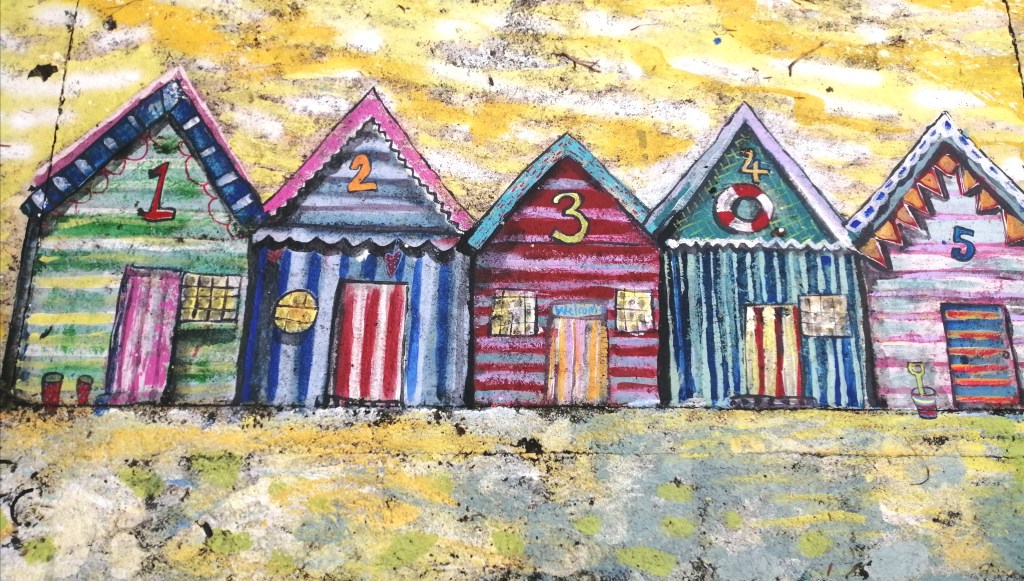

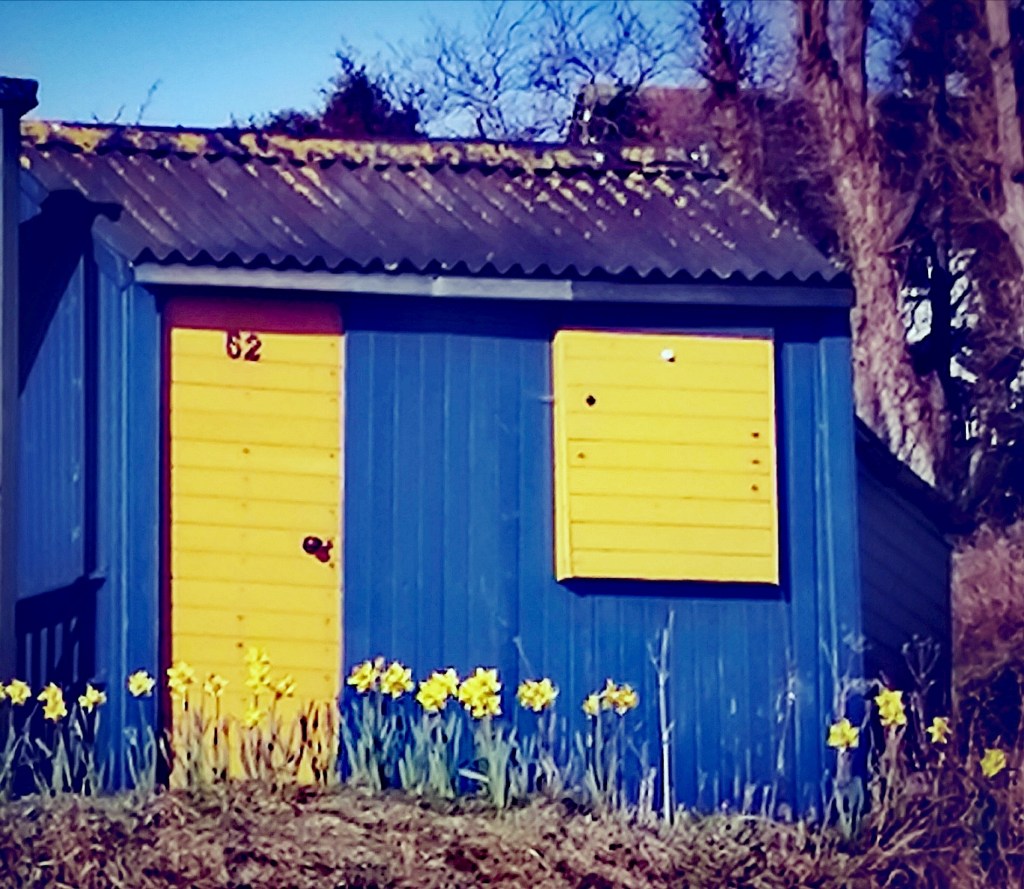
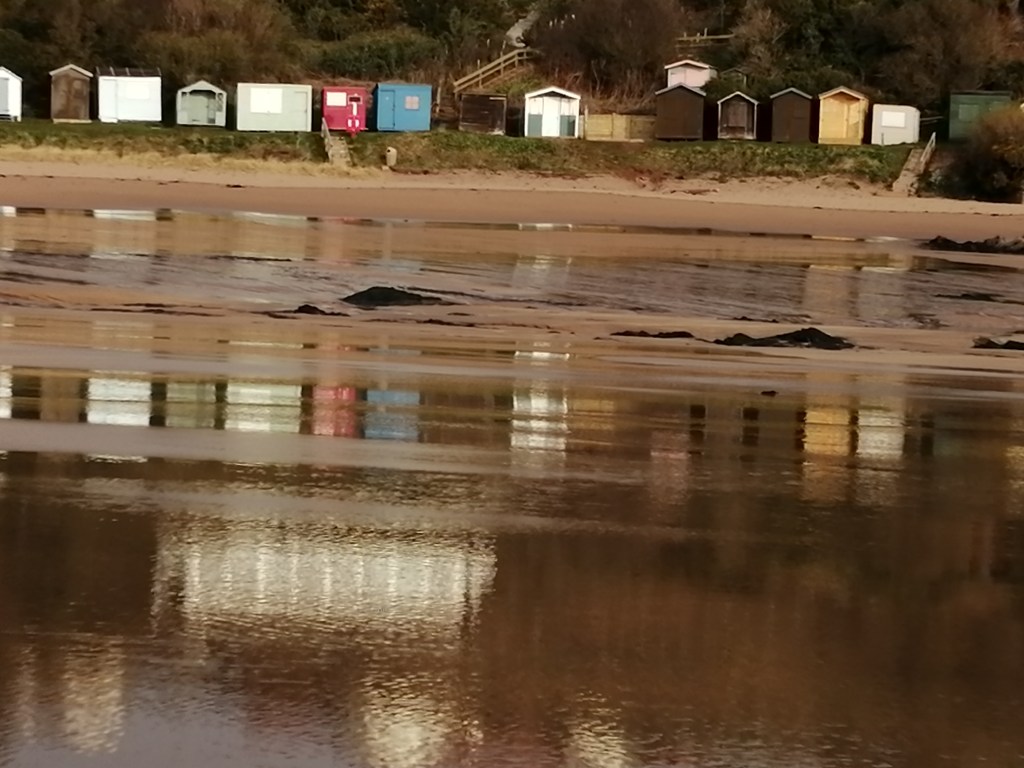
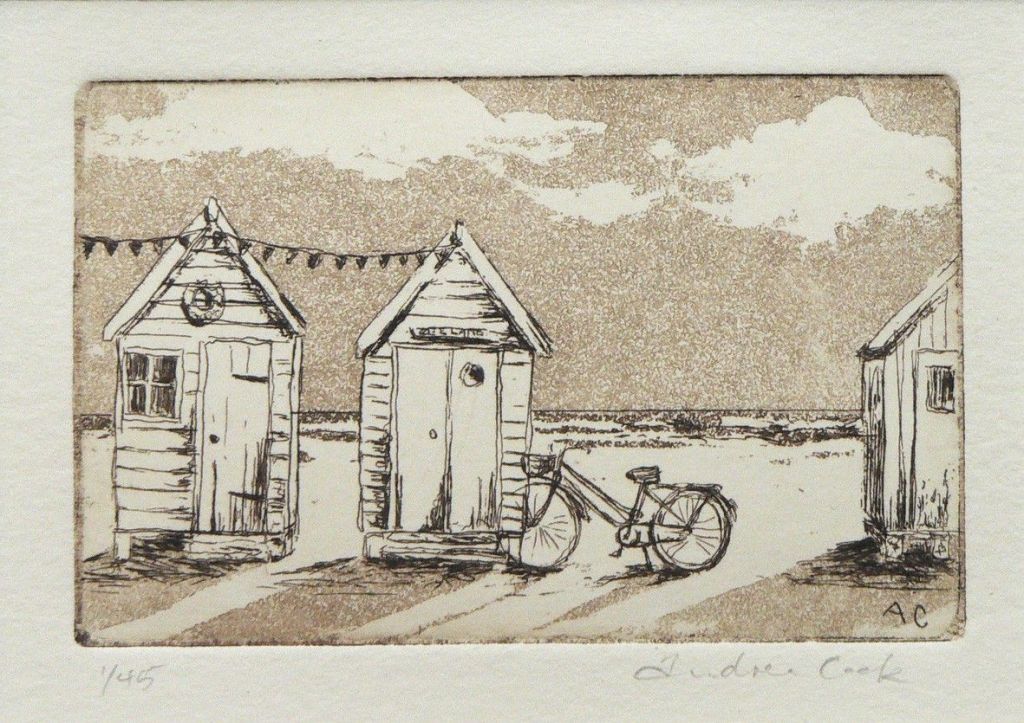
Until we have a new beach hut studio to show you, here are a selection of places you might go to see, enjoy and photograph these iconic little buildings. If you are lucky enough to own one, treasure it! And if you are looking to sell….
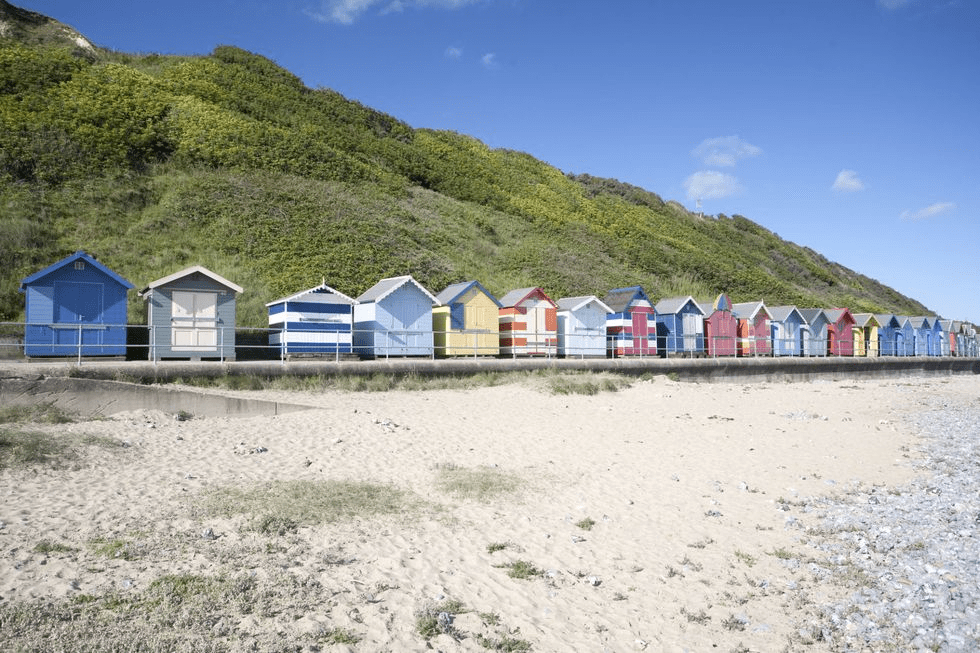
Cromer Norfolk
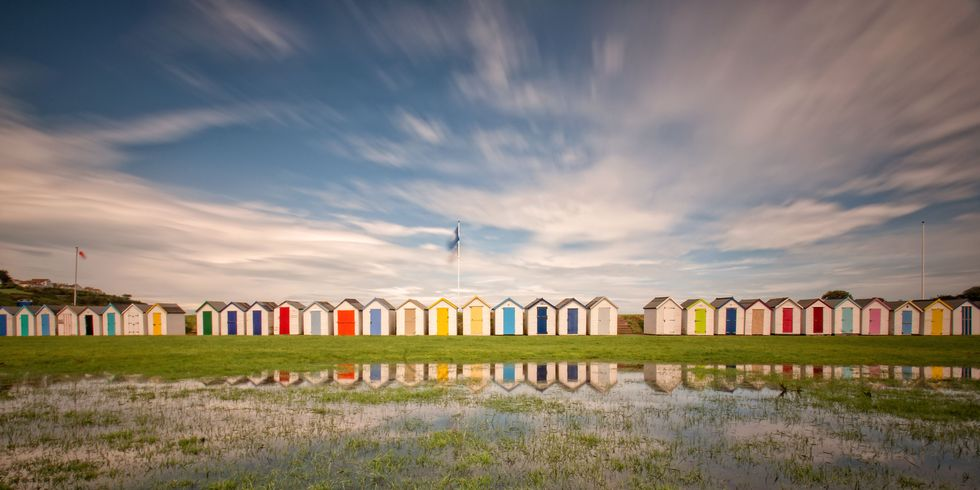
Torquay Devon
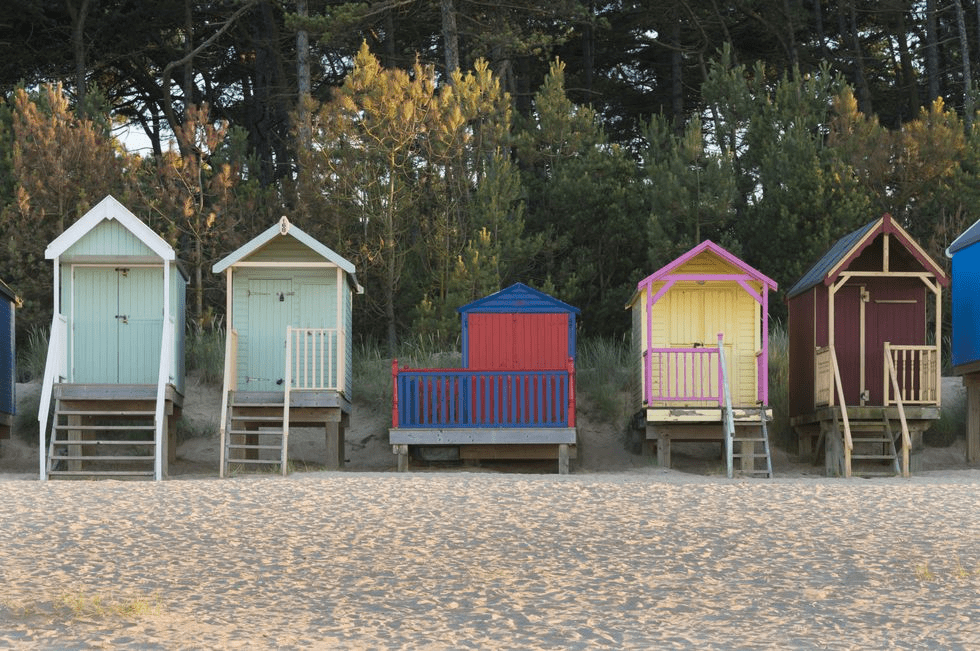
Wells next the sea Norfolk
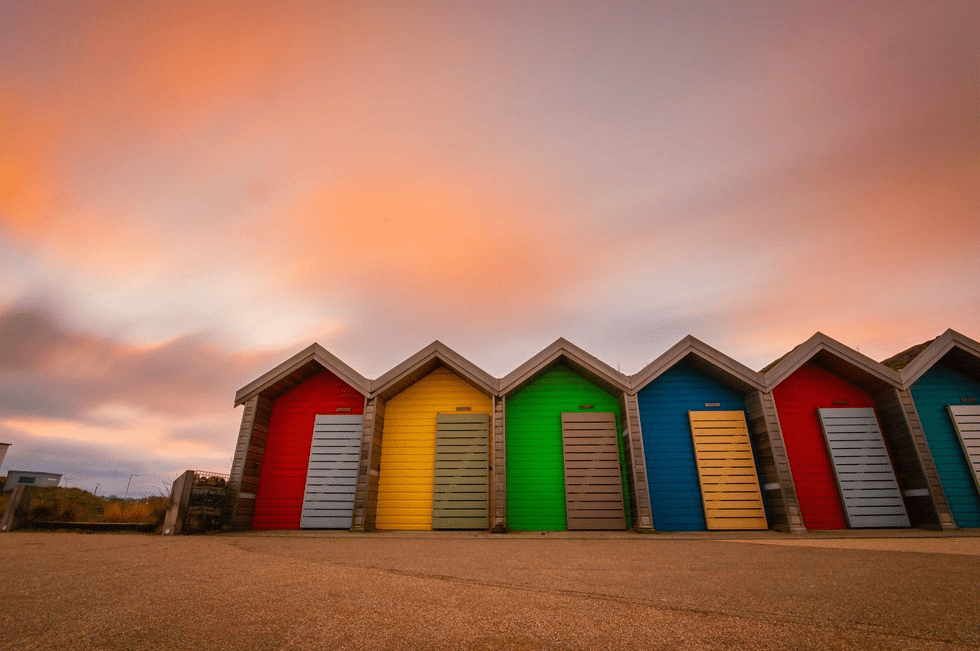
Whitley Bay Northumberland
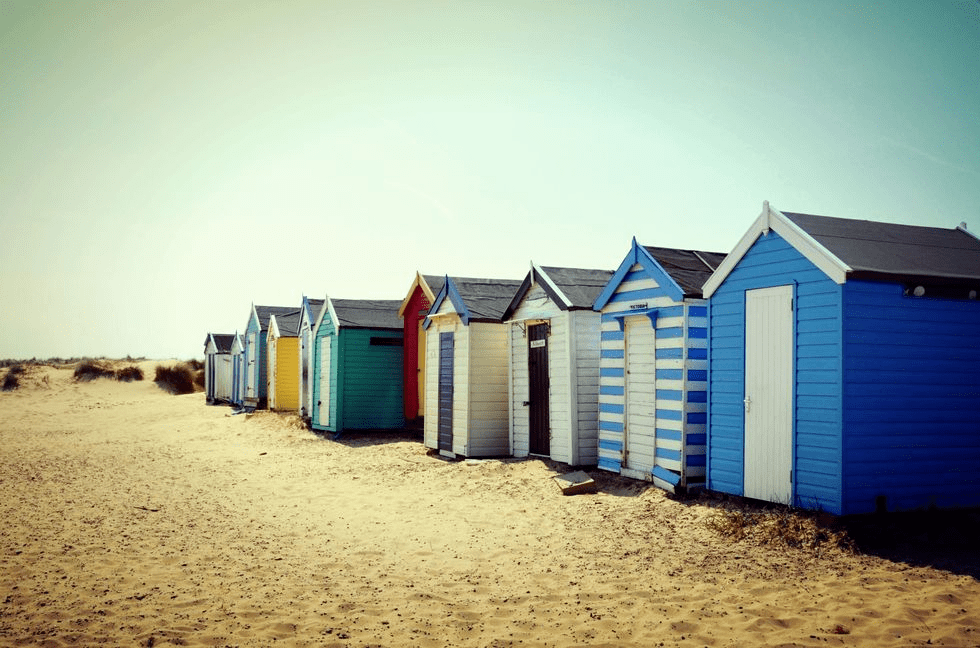
Southwold Suffolk
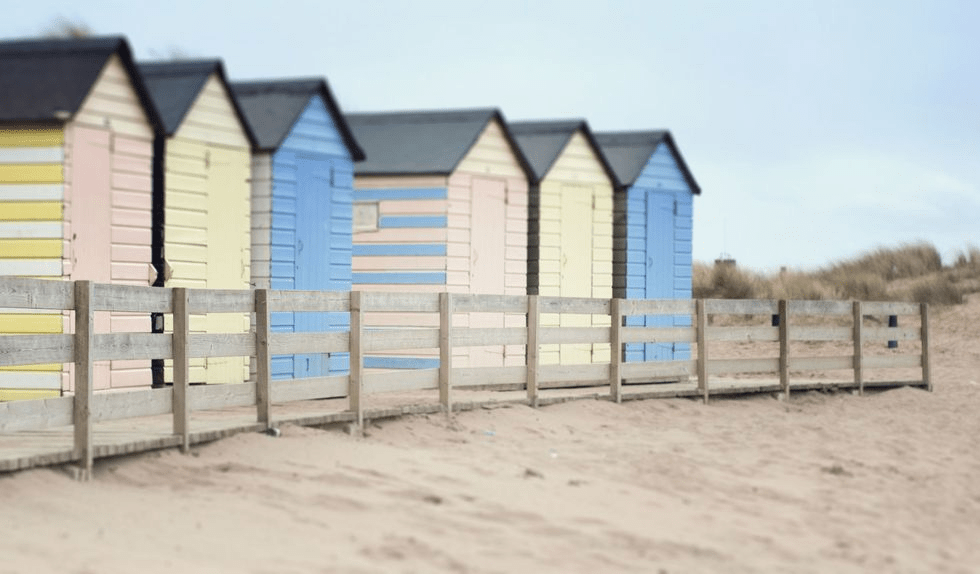
Bude Cornwall
And what we all love; A little bit of a nose inside!
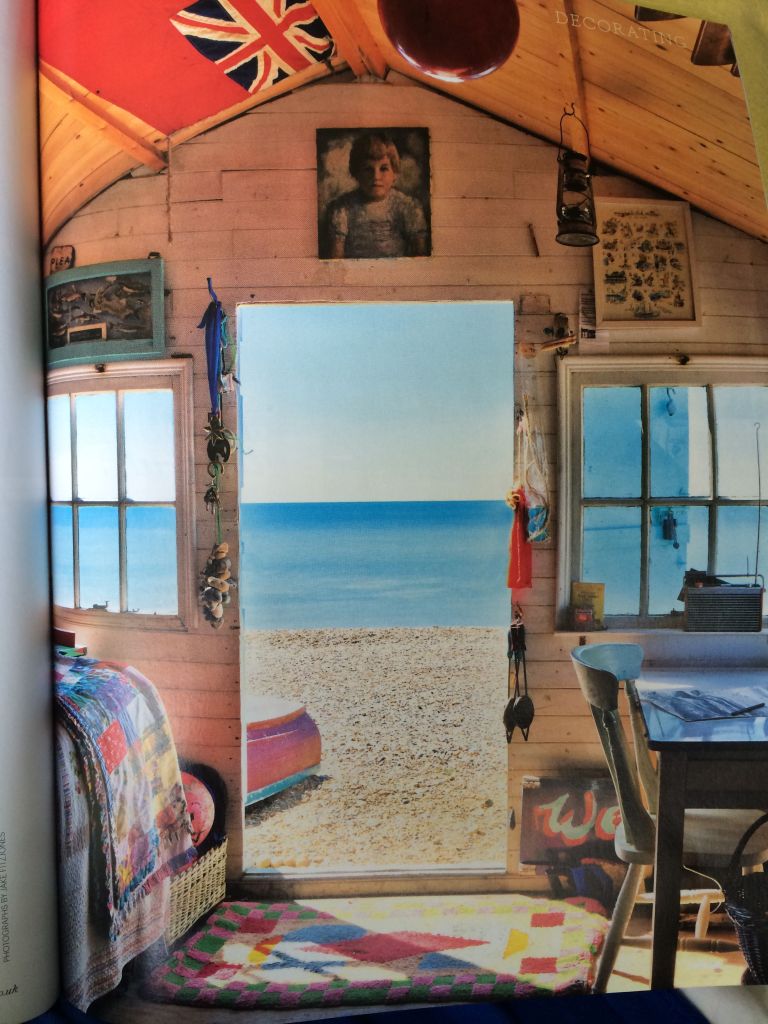
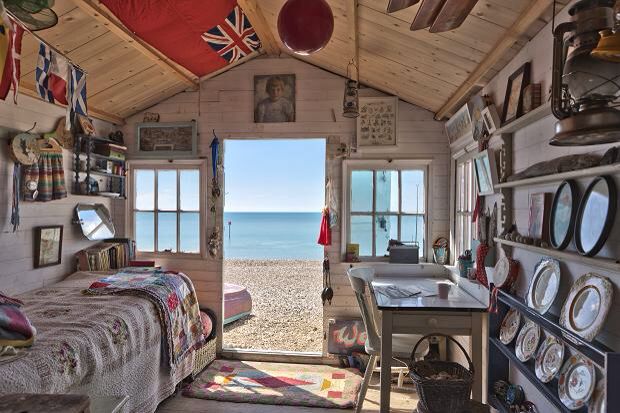
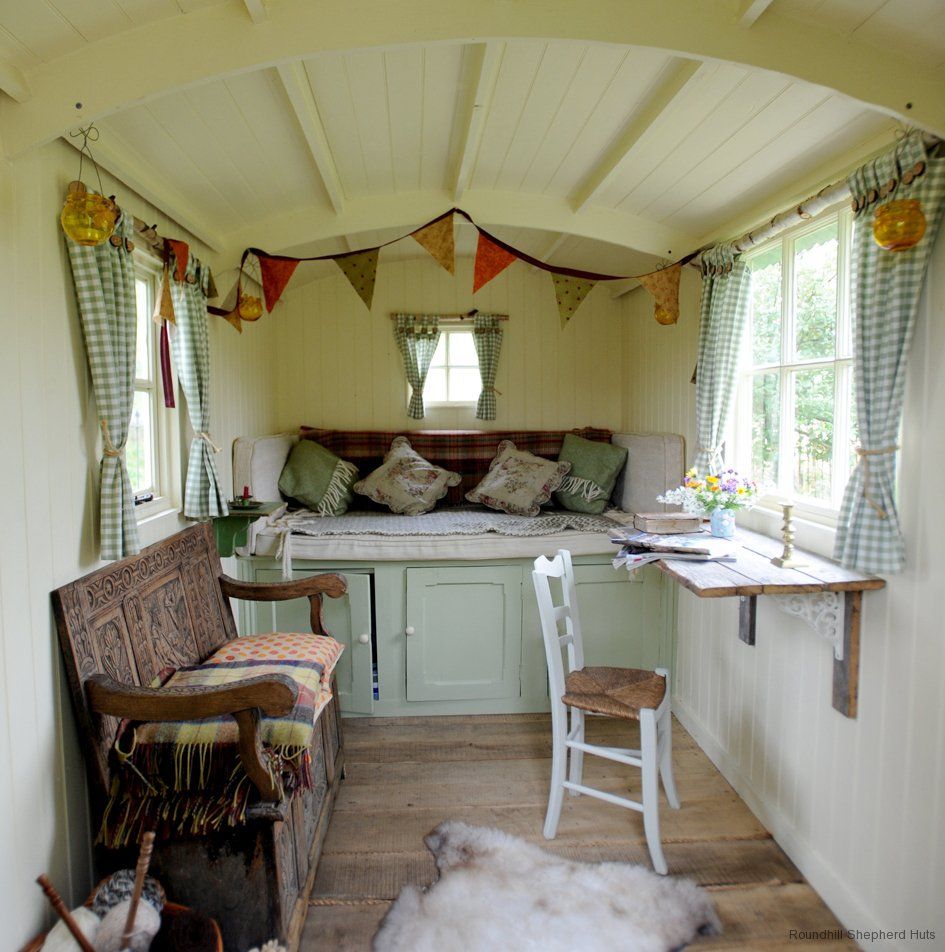
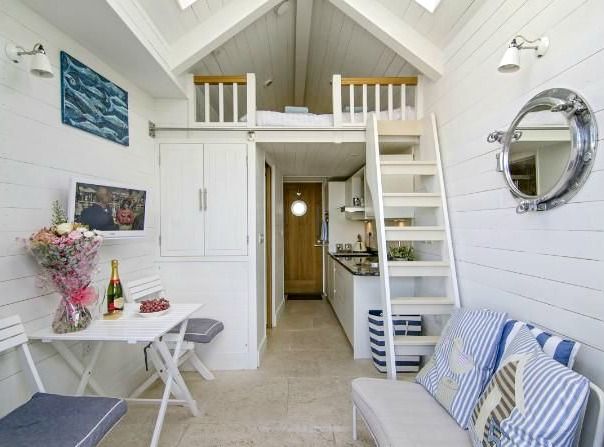
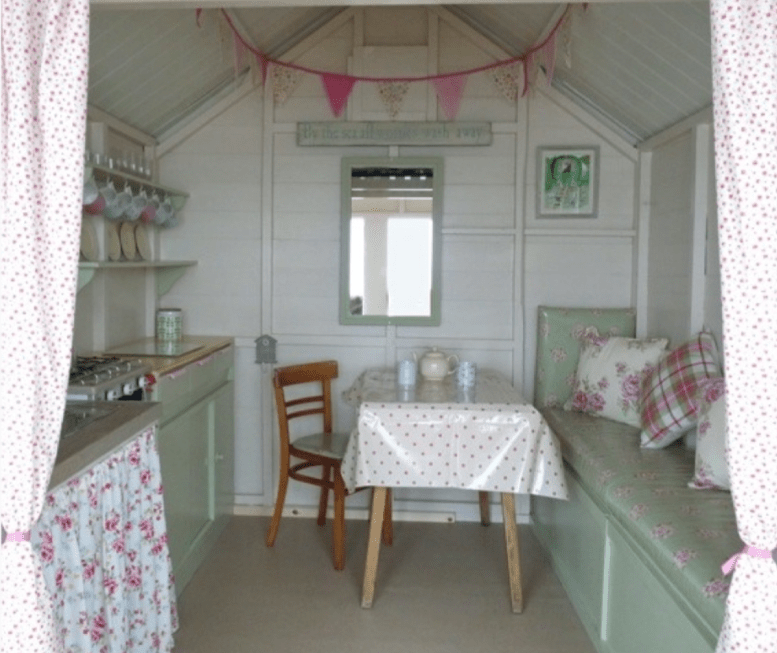
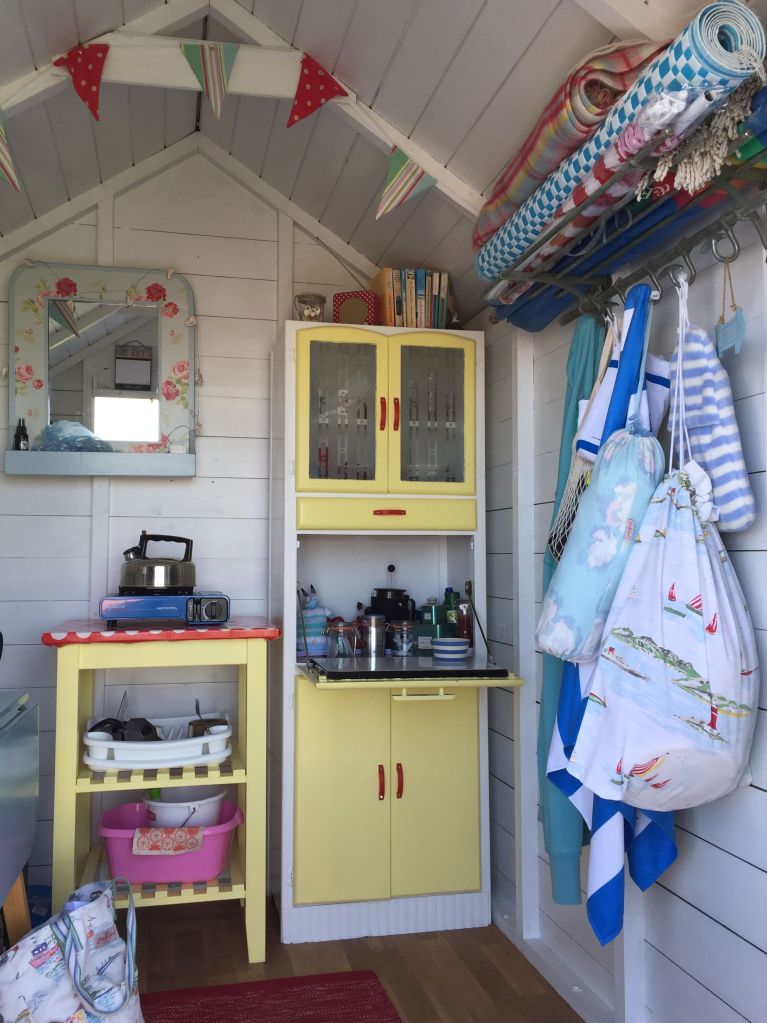
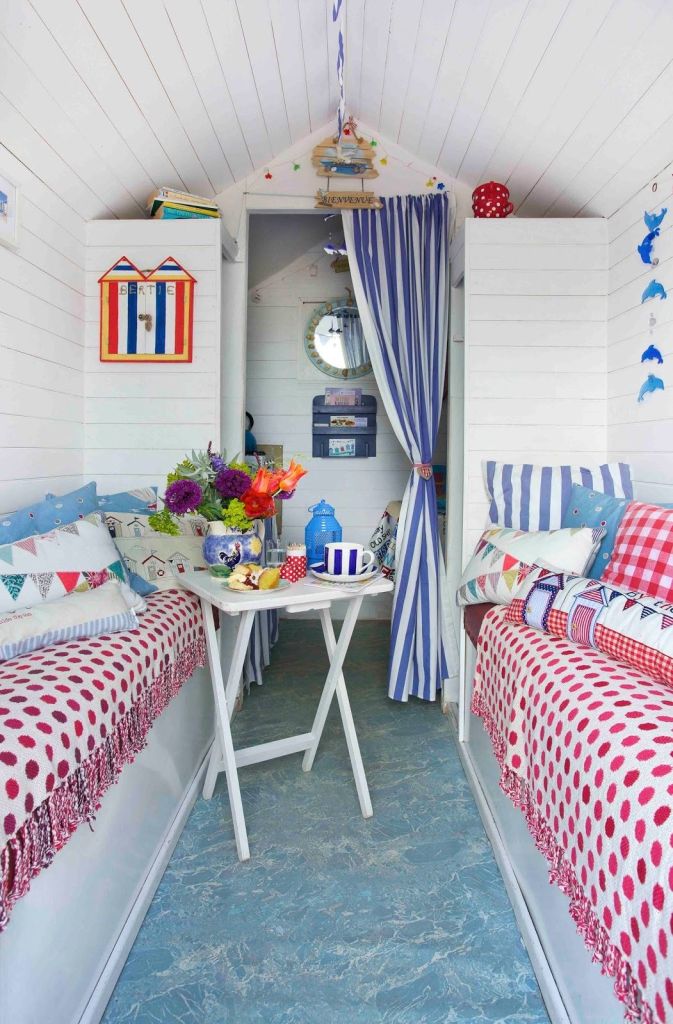
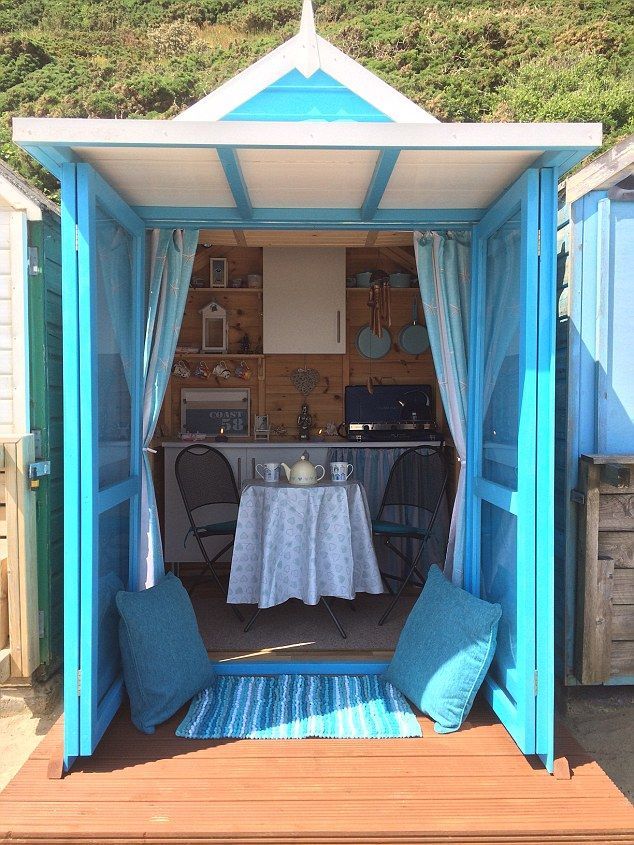
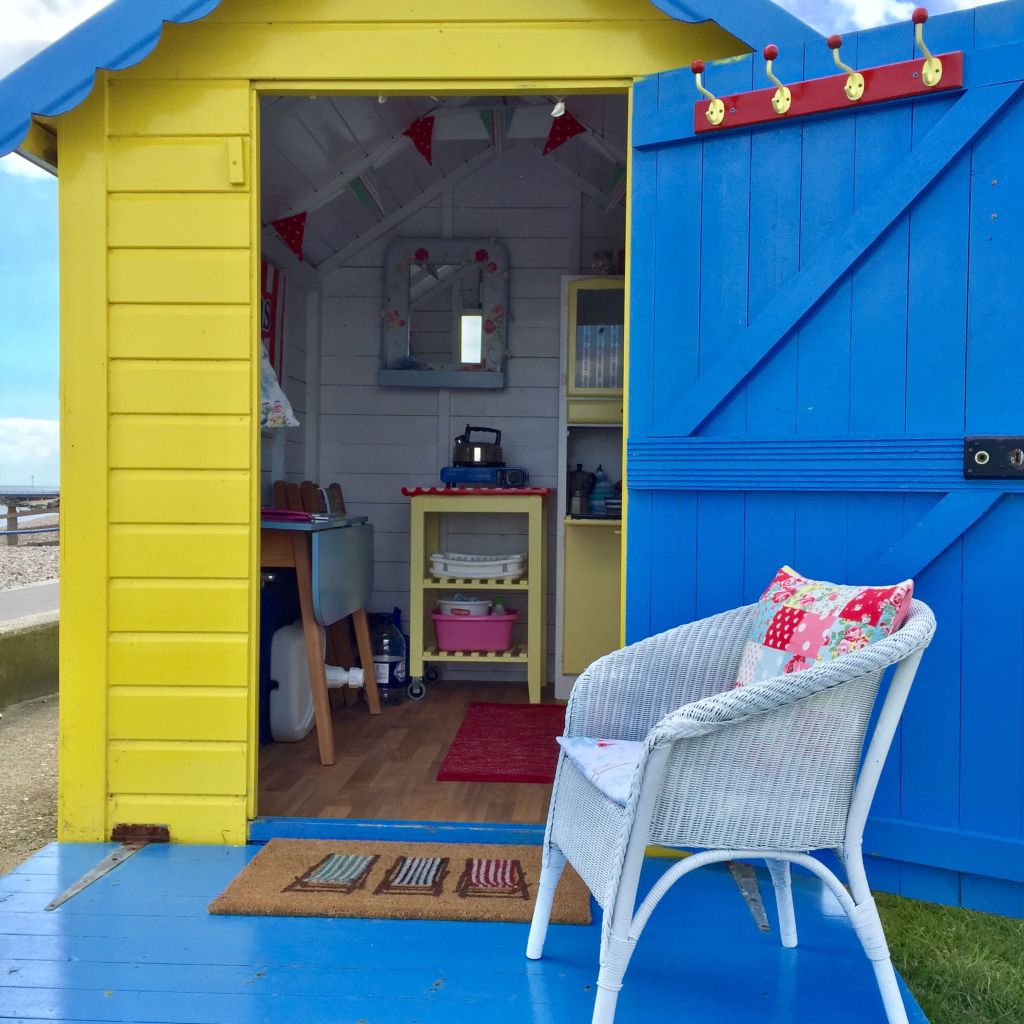
Whether you are land locked or close to the sea, bring a little beach hut to your own garden by painting your shed or fence stripy. A little blue goes a long way x

 Beach life
I love this idea, especially as a creative space!
LikeLike
Thankyou 🙂
LikeLiked by 1 person